
You Might Also Like
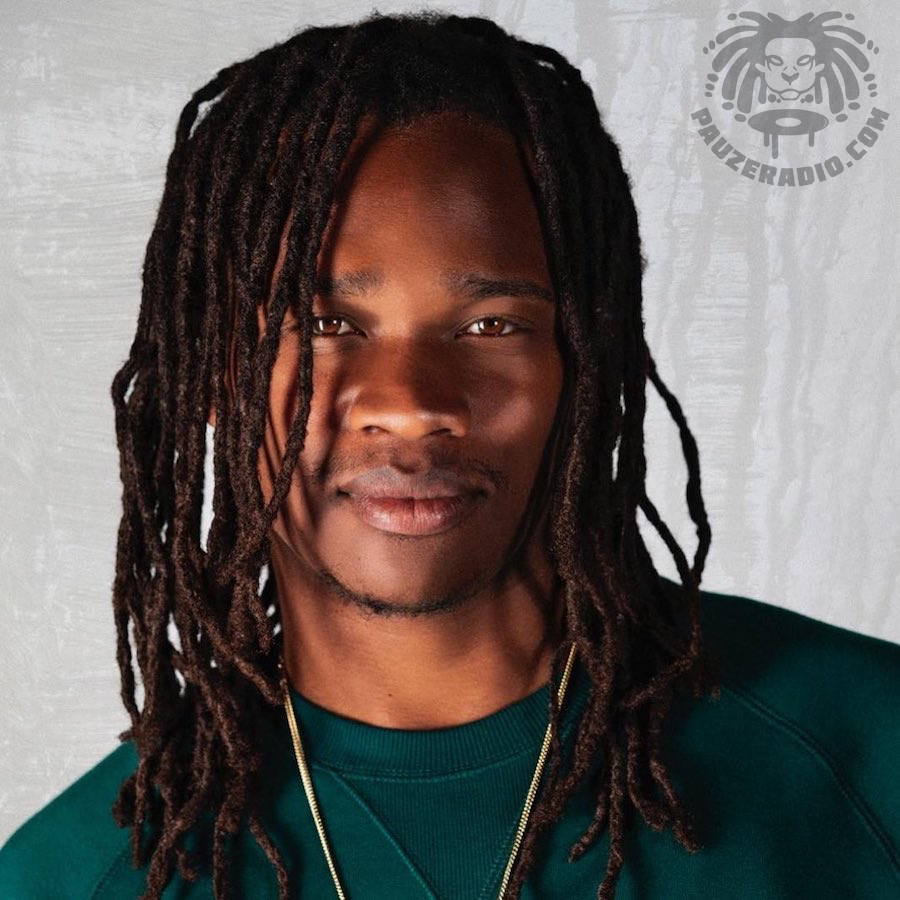
Peter Tosh
Peter Tosh, born Winston Hubert McIntosh on 19 October 1944 in Grange Hill, Westmoreland, Jamaica, was a reggae singer, songwriter and multi-instrumentalist. A founding member of the Wailers, he later developed a solo career shaped by Rastafari, African liberation, equal rights and his opposition to political and social injustice.
Raised in a Christian household, Tosh sang in church and learned to play the organ. Music interested him from childhood. Unable to afford a guitar, he made one using a piece of board, a tin pan and fishing line. He later taught himself to play a conventional guitar by watching an older musician's fingers.
A Musician in Trench Town
After moving to Kingston as a teenager, Tosh settled in Trench Town. He met Bob Marley and Neville Livingston, later known as Bunny Wailer, through the local music scene and the informal lessons run by singer and guitarist Joe Higgs.
Tosh was already a capable guitarist and keyboard player. Bunny Wailer later recalled that his instrumental skills were among the reasons the others wanted him in the group. He contributed to arrangements as well as singing, helping the musicians move beyond their beginnings as a vocal harmony group.
The Wailing Wailers formed in 1963 and recorded for Clement 'Coxsone' Dodd at Studio One. Simmer Down became a Jamaican hit in 1964, but Tosh was also developing songs that carried his own voice. He sang lead on recordings including Stop That Train and 400 Years, and played guitar and keyboards on Wailers sessions.
Rastafari and Independence
By the late 1960s, Rastafari had become central to Tosh's beliefs. His writing increasingly addressed African identity, spirituality, poverty and the treatment of ordinary Jamaicans. He also took a strong interest in the political struggles facing Black communities beyond Jamaica.
While still involved with the Wailers, he recorded independently, including Maga Dog for producer Joe Gibbs in the early 1970s. The group worked with Lee 'Scratch' Perry and went on to release Catch a Fire and Burnin' through Island Records in 1973. Tosh's contributions included Stop That Train, 400 Years and Get Up, Stand Up, which he co-wrote with Marley.
Following disagreements over the group's direction and his position within it, Tosh left to concentrate on his own music. His solo work gave him greater freedom to address political and spiritual concerns.
Legalize It and Equal Rights
His debut solo album, Legalize It, arrived in 1976. The title track challenged Jamaica's cannabis laws and the criminalisation of ganja, which Tosh regarded as part of his Rastafari faith. Other recordings included Burial, No Sympathy and Igziabeher (Let Jah Be Praised).
Equal Rights followed in 1977, featuring African, Downpressor Man, Apartheid, I Am That I Am and Stepping Razor, written by Joe Higgs. The album addressed racism, colonialism and the demand for justice rather than simply calling for an end to violence.
His backing group, Word, Sound and Power, included drummer Sly Dunbar and bassist Robbie Shakespeare. Their rhythms supported a live show built as much around Tosh's outspoken messages as his recordings.
The One Love Peace Concert
At Kingston's One Love Peace Concert on 22 April 1978, Tosh used his time on stage to confront the political establishment. With government and opposition leaders among those attending, he criticised poverty, police brutality and the criminalisation of cannabis.
Rather than offer a general appeal for peace, he argued that peace meant little without equal rights and justice. The performance reflected views he had already expressed through songs such as Equal Rights and Downpressor Man.
Later that year, police arrested him in Kingston. Tosh reported being severely beaten while in custody, sustaining serious injuries. The incident gave further weight to his longstanding criticism of police violence. He continued speaking about those experiences in interviews and during performances.
International Recordings
In 1978, Tosh signed with Rolling Stones Records and released Bush Doctor. Its duet with Mick Jagger, (You Gotta Walk) Don't Look Back, introduced his music to additional audiences. He toured with the Rolling Stones while continuing to perform with Word, Sound and Power.
Mystic Man followed in 1979 and Wanted Dread and Alive in 1981. The 1983 album Mama Africa included Glass House, Not Gonna Give It Up and his version of Chuck Berry's Johnny B. Goode.
His music travelled internationally, but the subjects remained consistent: Rastafari, African identity, political power and the treatment of people denied basic rights.
Final Years
His final studio album, No Nuclear War, appeared in 1987, addressing the threat of nuclear conflict and the consequences of war.
On 11 September 1987, Tosh was murdered during an armed robbery at his home in Barbican, Kingston. He was 42. Wilton 'Doc' Brown and radio personality Jeff 'Free I' Dixon also died following the attack.
In 1988, No Nuclear War won the Grammy Award for Best Reggae Recording. Tosh was posthumously awarded Jamaica's Order of Merit in 2012 for his contribution to music and culture.
Musical Legacy
Tosh's contribution to the Wailers went well beyond his vocals. As a guitarist, keyboard player and arranger, he helped develop the group's early sound before establishing an independent body of work rooted in his beliefs.
His music also has a place in Pauzeradio's broadcasting history. The Bob Marley & Peter Tosh Showcase, show #205 from 2011, included Oppressor Man, Get Up Stand Up and Legalise It.
From his earliest attempts to build an instrument to the final recordings of his career, Peter Tosh used music to challenge authority and express his Rastafari convictions. Those choices remain central to understanding his contribution to Jamaican roots reggae.