
You Might Also Like
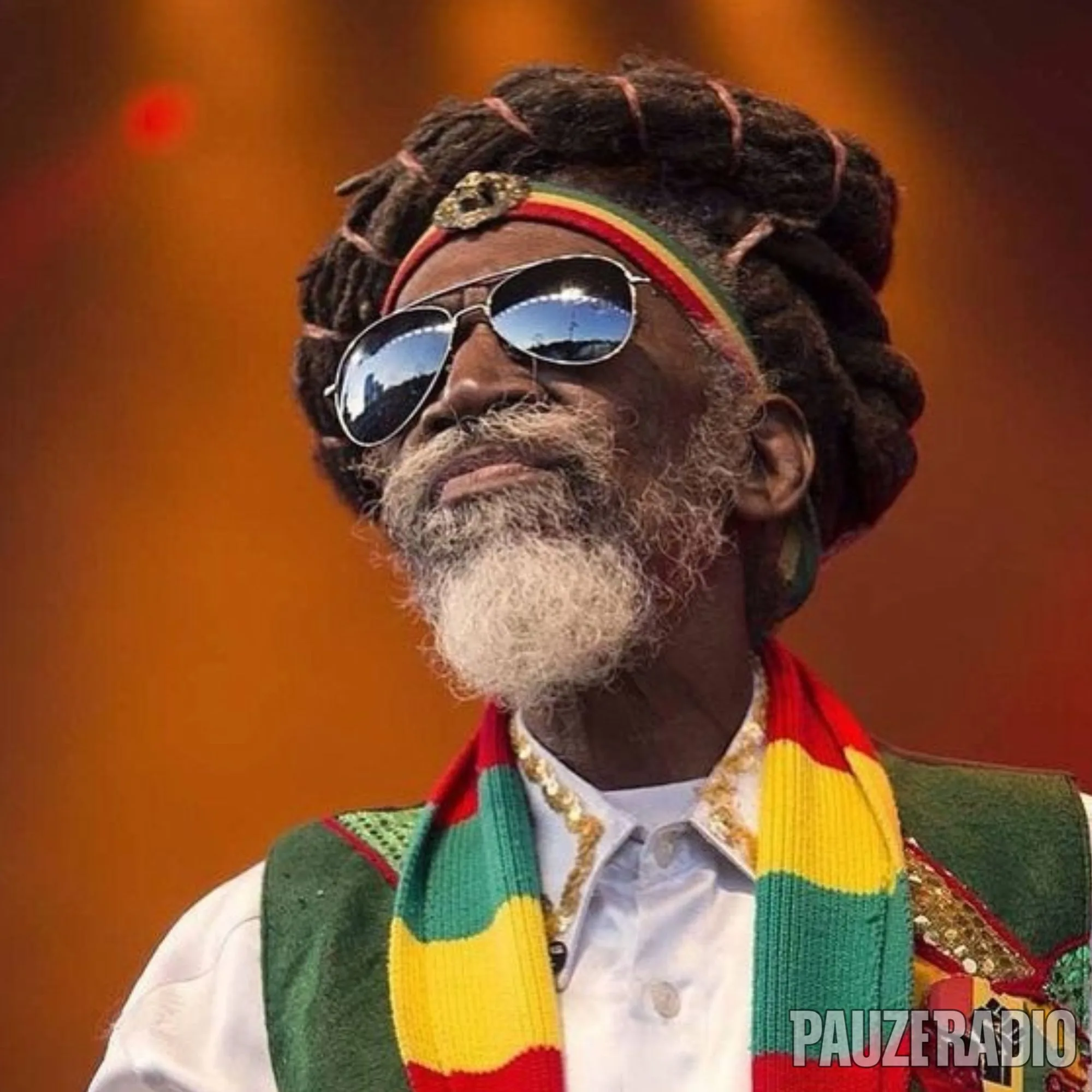
Bunny Wailer
Bunny Wailer, born Neville O'Riley Livingston on 10 April 1947 in Kingston, Jamaica, was a roots reggae singer, songwriter, percussionist and producer whose career spanned more than five decades. A founding member of the Wailers, he went on to build an independent recording career across roots reggae, dub and dancehall.
His early years were spent in Nine Mile, St Ann, where his father, Thaddeus 'Toddy' Livingston, worked as a businessman and farmer. Interested in music from childhood, Bunny made a guitar from bamboo and performed Jamaican folk songs for members of the local farming community.
Childhood and Early Music
In Nine Mile, the Livingston family became closely connected with Cedella Malcolm and her son Bob Marley. The boys attended Stepney All-Age School before their families moved to Kingston, eventually settling in Trench Town. While attending Camperdown High School, Bunny became increasingly interested in the musicians working around Kingston, including members of the Gaylads and John Holt.
He also began writing songs, with Pass It On among his earliest compositions. By the early 1960s, he was developing his own approach to melody and harmony, drawing on the folk music of his childhood and the recordings he heard in Kingston.
Finding His Voice
Bunny played an important role in bringing together the original Wailers. He later recalled playing a gambling game with Peter Tosh when someone passed by carrying a guitar with a missing string. Tosh picked it up and began playing, impressing Bunny enough to introduce him to Bob Marley. The meeting helped establish the musical relationship between the three singers.
His high tenor voice became central to the group's harmonies, while his songwriting and percussion contributed to its musical identity. Although he often sang harmony, he also took lead vocals on several recordings.
During Marley's absence in the United States in 1966, Bunny assumed a more prominent role, recording songs including Who Feels It Knows It, I Stand Predominant and Sunday Morning. The group established its Wail N Soul M label that year, an early attempt to gain greater control over its recordings rather than depend entirely on established Jamaican producers.
Rastafari and Imprisonment
Rastafari became central to Bunny's life during the 1960s, influencing his songwriting and his views on discrimination against Rastafarians. In June 1967, he was arrested on a cannabis charge and spent approximately 14 months in prison. Bunny later maintained that the case was dismissed and that he had served time without a recorded conviction.
During his imprisonment, he wrote Battering Down Sentence, later released as Fighting Against Conviction. The song addressed his experiences with the Jamaican justice system and subsequently appeared on his debut solo album.
Choosing His Own Direction
In 1973, the Wailers released Burnin', which included Bunny's compositions Pass It On and Hallelujah Time. Although the group was reaching international audiences, he was increasingly uncomfortable with certain touring arrangements and performance venues that conflicted with his Rastafari beliefs.
He chose not to participate in further tours but maintained that the original Wailers had never officially broken up. He continued his musical relationships with Marley and Tosh while developing his own recordings, with material released through Island Records until 1981.
Through Solomonic Productions, he later concentrated on maintaining greater ownership and control of his catalogue, working with musicians he had known for years while developing his own approach to recording and production.
Blackheart Man
His debut solo album, Blackheart Man, arrived in 1976, bringing together songs shaped by Rastafari, personal experiences and Jamaican society. Its title recalled a frightening image from Bunny's childhood, when children were warned to avoid dreadlocked men. As he came to understand Rastafari himself, he began to challenge those stereotypes.
The ten-track album included Fighting Against Conviction, Dreamland, The Oppressed Song, Rastaman, Reincarnated Souls and Amagideon (Armagedon). It featured musicians including Aston and Carlton Barrett, with contributions from Marley and Tosh, and combined roots reggae with Nyabinghi percussion and vocal harmonies.
Protest followed in 1977, while Struggle continued his exploration of spirituality and social conditions through recording and songwriting.
Solomonic and Dancehall
Bunny's independent catalogue was not restricted to roots reggae. During the early 1980s, he explored dancehall, dub and more rhythm-driven arrangements on projects including Rock 'n' Groove, Dubd'sco and Bunny Wailer Sings the Wailers. Songs such as Cool Runnings and Ballroom Floor showed another side of his music.
He also wrote and produced Electric Boogie for Marcia Griffiths. First recorded in the early 1980s, the song reached a much wider audience through its 1989 remix and became associated with the Electric Slide dance. His output continued with projects including Rootsman Skanking, Rule Dancehall and Liberation, released in 1989.
International Performances and Recognition
Although he had previously resisted the demands of international touring, Bunny later returned to the stage overseas, including an appearance at Madison Square Garden in New York in 1986. His recordings also received wider recognition in the following decade.
He won three Grammy Awards: for Time Will Tell: A Tribute to Bob Marley in 1991, Crucial! Roots Classics in 1995 and Hall of Fame: A Tribute to Bob Marley's 50th Anniversary in 1997. Away from touring, he remained connected to rural Jamaica, spending time farming.
In 2013, he released Reincarnated Souls, a large collection revisiting Jamaican styles from ska and rocksteady to reggae. He returned to touring in 2016 to mark the 40th anniversary of Blackheart Man, performing songs from an album that remained central to his career.
Final Years
Bunny received Jamaica's Order of Jamaica in 2012 and the Order of Merit in 2017 for his contribution to music and culture. After serious health difficulties, including strokes in 2018 and 2020, he died in Kingston on 2 March 2021, aged 73.
From performing on a homemade bamboo guitar in Nine Mile to producing Blackheart Man, dancehall recordings and later projects through Solomonic, Bunny Wailer followed a musical path of his own. His catalogue reflects the breadth of Jamaican music he worked with, from roots reggae and dub to dancehall, alongside his contributions as a singer, songwriter and producer.