
Lucky Dube
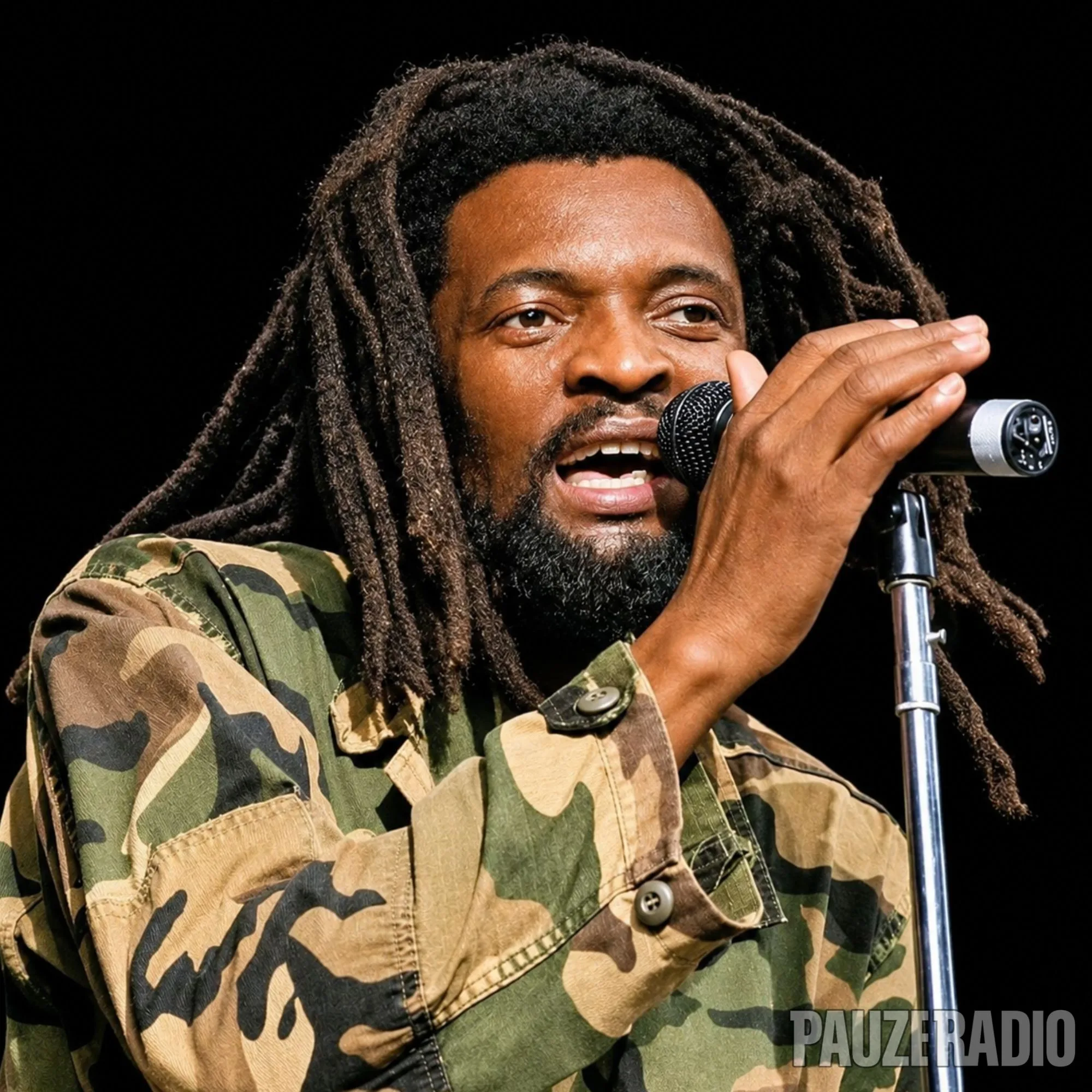
Lucky Dube, born Lucky Philip Dube on 3 August 1964 near Ermelo, in what is now Mpumalanga, South Africa, was a reggae singer and songwriter. His music addressed apartheid, poverty, family life and relationships, carried by a powerful voice that could move from a low, steady delivery into a soaring falsetto.
Bob Marley, Peter Tosh and Jimmy Cliff helped shape his approach to reggae. Tosh’s uncompromising songs about injustice were a particular influence, but Dube also drew on the South African music he had grown up singing. His recordings combined reggae rhythms with the harmonies, keyboard sounds and energy of mbaqanga.
Early Life
His parents separated before his birth, and his mother, Sarah, left to find work as a domestic worker. He and his siblings were cared for by their grandmother. Money was scarce, and he worked as a gardener while still a child, helping support the household before he began attending school.
Music became an important part of his school life. He sang in the choir and eventually took over its direction, while an interest in instruments led him and some friends to form the Skyway Band. He also encountered Rastafarian ideas through his reading, before reggae became his main musical focus.
In 1982, he joined the Love Brothers alongside his older cousin, Richard Siluma. The group played mbaqanga, a style of Zulu popular music, at community events and school halls. Siluma’s work at Teal Records opened a route into recording, and their early releases were credited to Lucky Dube and the Supersoul.
Finding Reggae
As his mbaqanga career developed, he began adding reggae songs to his performances. The response encouraged him to pursue the music more seriously. He recognised a connection between the struggles described by Jamaican singers and the racial oppression Black South Africans experienced under apartheid, giving him subjects he understood from his own life.
His first reggae project, Rastas Never Die, appeared in the mid-1980s. It sold poorly and was banned from airplay by the South African Broadcasting Corporation. His record company wanted him to continue with mbaqanga, but he followed it with Think About the Children, which found a much stronger audience.
Slave brought his breakthrough in 1987. Its title song dealt with alcohol dependency, while “Back to My Roots” and “I’ve Got You Babe” showed the breadth of his songwriting. The album’s success helped establish him as a reggae artist, with international distribution through Shanachie extending his audience beyond South Africa.
Together As One followed in 1988, with its title track calling for unity across racial divisions. Prisoner, released in 1989, developed his reputation further. “War and Crime” confronted racial and tribal discrimination, while “Remember Me” spoke from the perspective of a child longing for an absent father.
Worldwide Recognition
His band, the Slaves, became an essential part of his live work. Brass, backing vocals and tightly rehearsed arrangements supported performances that retained the movement and choreography of his mbaqanga years. Captured Live, released in 1990, documented the stage presence that helped build his international following.
In July 1991, he performed at Reggae Sunsplash in Montego Bay, becoming the first South African artist to appear at the festival. The reception brought him back the following year. Performing in Jamaica gave him a significant place on the same stages as the musicians whose records had first drawn him to reggae.
House of Exile arrived in 1991. Alongside its account of a freedom fighter separated from home, “It’s Not Easy” dealt with the breakdown of a marriage. The song also became part of his connection with Peter Gabriel, who sang it with him during their touring together in 1993.
Victims, also released in 1993, included “Different Colours, One People”, one of his clearest statements against racial division. His international schedule took him across Africa, Europe, North America and Japan. A contemporary interview described a two-month US tour covering 35 cities, reflecting the scale of his growing live audience.
Later Albums
South Africa’s first democratic elections in 1994 changed the country in which he was writing, but politics remained part of his work. Trinity followed in 1995, including “Affirmative Action” and “My Brother, My Enemy”. Taxman arrived in 1997, followed by The Way It Is in 1999.
He continued recording with Soul Taker in 2001 and The Other Side in 2003. His longstanding working relationship with engineer Dave Segal helped give the records continuity. Touring remained central too, including an appearance at the Johannesburg Live 8 concert in 2005.
His final studio album, Respect, was released by Gallo in 2006. Produced by Dube and engineered by Segal, it included “Political Games”, “Celebrate Life” and “Shembe Is the Way”. Its title reflected his belief that people could live together despite different beliefs, provided they treated one another with respect.
Remembering Lucky
On 18 October 2007, he was shot and killed during an attempted carjacking in Rosettenville, Johannesburg. He was 43. His death ended a recording career that had taken him from local mbaqanga performances to some of reggae’s largest international stages, leaving a catalogue heard far beyond his home country.
His recordings have continued to reach listeners through reissues. A sixtieth-birthday edition of Prisoner appeared in 2024, including previously unreleased live recordings from Uganda. In August 2026, the Lucky Dube Secondary School of Performing Arts was officially handed over in Ermelo, offering specialist arts education alongside academic study.
Lucky Dube made reggae speak directly to South African life while finding common ground with people elsewhere. His songs could challenge a government, describe a damaged family or ask people to overcome prejudice. That ability to give public struggles a personal voice remains at the heart of his music, from the plea in “Remember Me” to the unity of “Together As One”.