
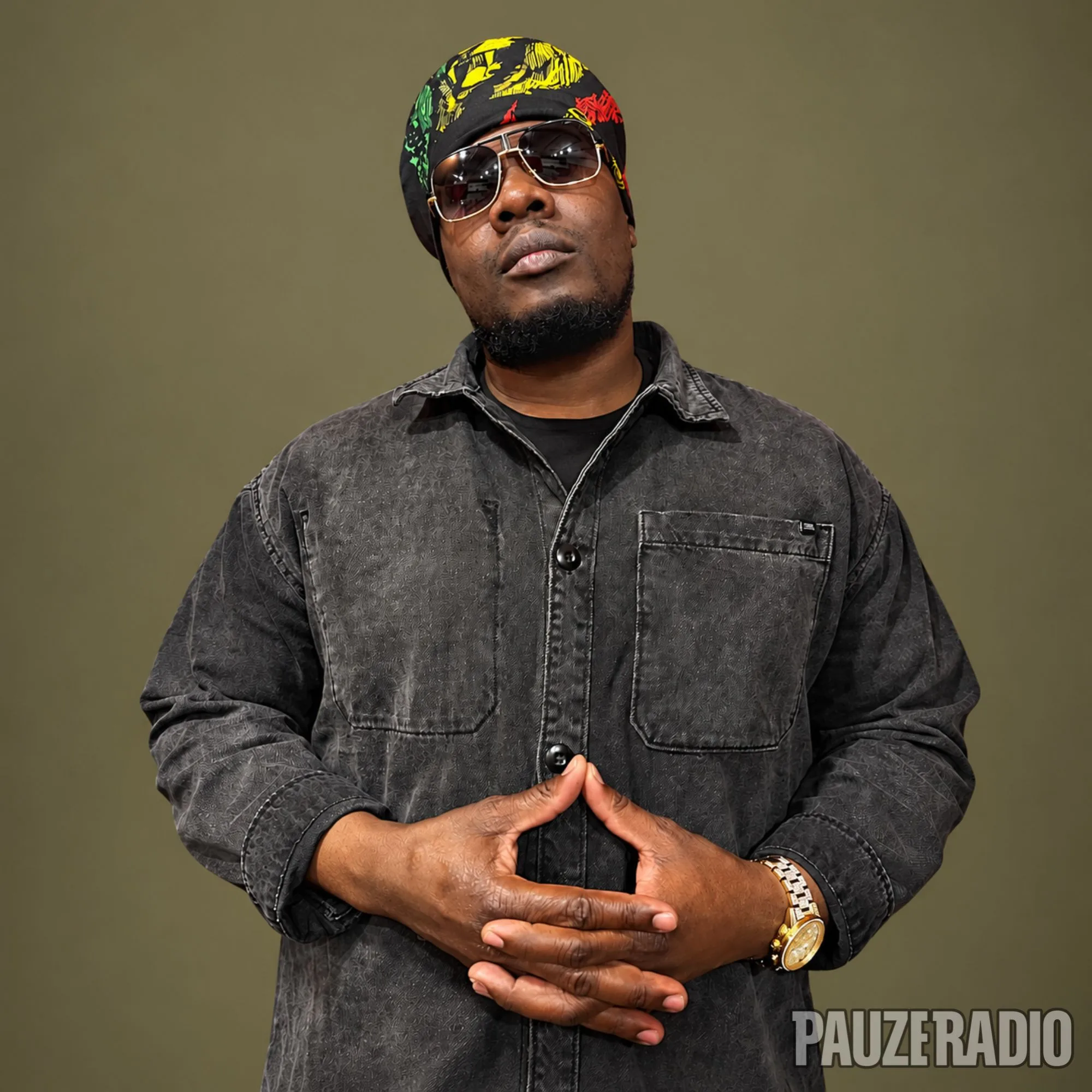
Twinkle Brothers
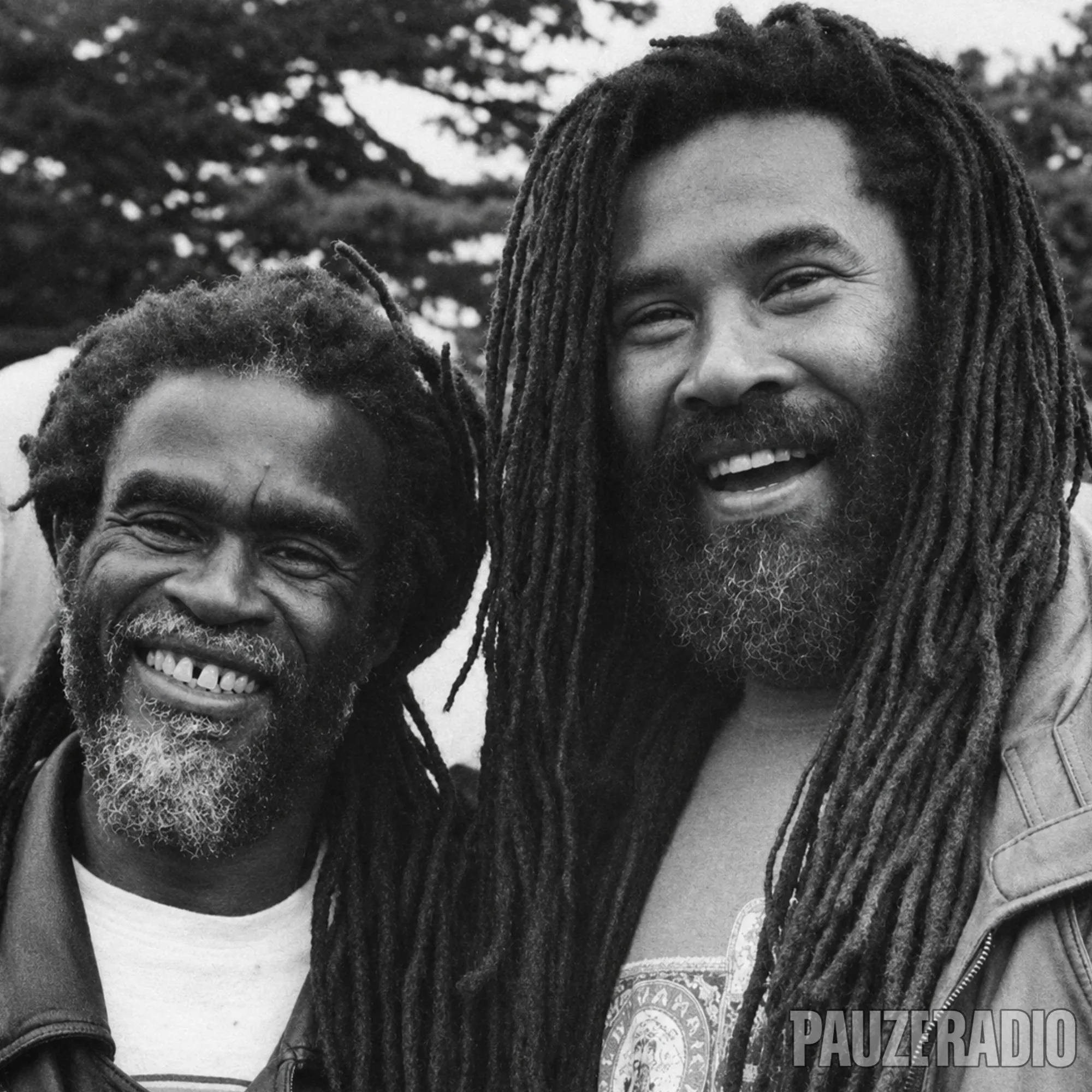
The Twinkle Brothers are a Jamaican roots reggae band formed in 1962 by brothers Norman and Ralston Grant in Falmouth, Trelawny. Their songs address Rastafarian faith, African identity, inequality and the struggles facing ordinary people. Norman has remained the group’s principal songwriter, producer and lead singer through a career spanning more than sixty years.
The brothers began singing in an Anglican Sunday school choir and made their first instruments from discarded tins and fishing line. Norman took to drums and lead vocals, while Ralston played guitar and sang harmonies. Those early experiences of singing and playing together became the foundation of the band.
Early Recordings
American soul was an important influence. Norman has named the Temptations, the Miracles, the Drifters and Curtis Mayfield among the artists they listened to while teaching themselves harmonies. They also gained experience in talent competitions and with the Cardinals, playing soul, calypso and popular songs on Jamaica’s hotel circuit.
By the mid-1960s, they were travelling to Kingston to record. Norman cut “Somebody Please Help Me” for Leslie Kong’s Beverley’s label, while the group recorded “Matthew, Mark, Luke And John” for Duke Reid. These sessions brought them into the studios where ska was giving way to rocksteady.
Work with Bunny Lee followed around 1970, including “We Can Do It Too”, “Miss Labba Labba” and “It’s Not Who You Know”. They also recorded for Phil Pratt and Lee Perry. Norman began producing the group himself and established the Twinkle label, giving them greater control over their recordings.
Rasta Pon Top
Their debut album, Rasta Pon Top, arrived in 1975 through Grounation in Britain. Songs including “Give Rasta Praise”, “African Liberation” and the title track made their Rastafarian beliefs clear. The harmonies they had developed as young singers were now carrying songs about faith, liberation and the history of oppression.
Do Your Own Thing followed in 1977, with “Jah Army” among its best-known recordings. The group then signed to Virgin’s Front Line label, which released Love in 1978. “Free Africa”, “Watch The Hypocrites” and “I Love You So” brought political concerns and love songs into the same collection.
Front Line
Praise Jah followed in 1979, including “Jahoviah”, with Ralston singing lead. Countrymen arrived in 1980 with “Never Get Burn” and “Since I Throw The Comb Away”. The latter addressed the rejection that could come with embracing Rastafari, a subject rooted in the brothers’ own experiences.
Their live work was also taking them further afield. They played the Roxy in Los Angeles in November 1980, then returned to America for more shows. In August 1982, they performed at Reggae Sunsplash in Montego Bay, with the set subsequently released on a live album and video.
Independence
After the Virgin deal ended, releases continued through Twinkle Music. Underground in 1982 and Burden Bearer in 1983 strengthened their independent catalogue. The Dub Massacre series also became an important part of their output, with Jah Shaka and Mad Professor among those involved in the mixes.
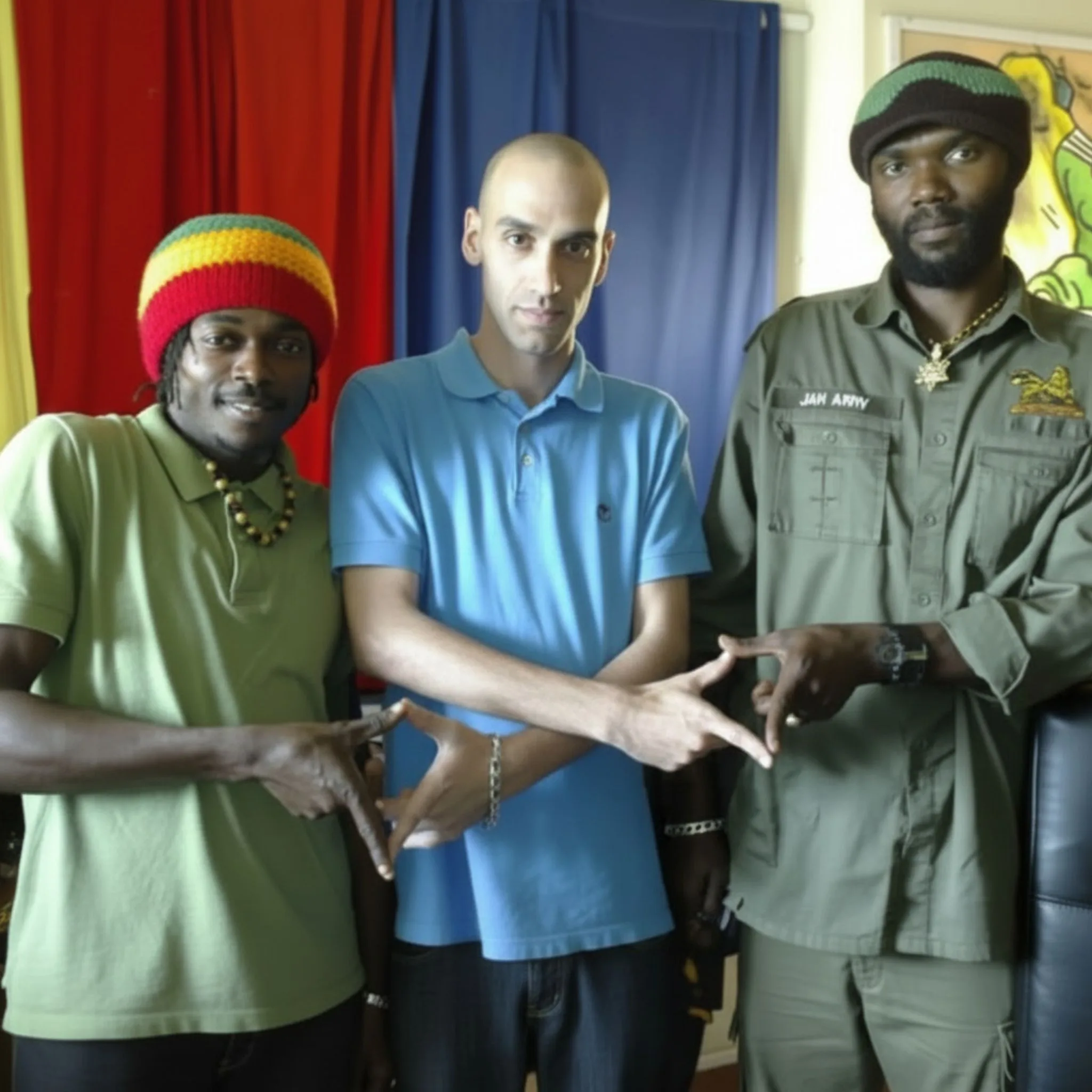
Jah Shaka helped bring their records to British sound system audiences, playing their songs and dubplates at his dances. The relationship also led to recordings together, including The Right Way in 1984, with Norman’s vocals becoming part of Shaka’s own catalogue.
Norman settled in Britain in 1986 and continued building the touring band. Guitarists Black Steel and Jerry Lions became longstanding members, with bassist Dub Judah joining in the early 1990s. Ralston was based in California and continued recording, although Norman increasingly led the group’s international performances.
New Connections
The early 1990s brought a collaboration with Trebunie-Tutki, a family band playing traditional Polish highland music. On Higher Heights, released in 1993, reggae bass and drums met fiddles, folk melodies and vocals from the Tatra Mountains. Dub Judah worked with Norman on the recordings, and the partnership continued through further albums and concerts.
Later releases included Give the Sufferer a Chance in 2004 and Praises to the King on Reggae On Top in 2009. Their work with Gussie P brought Culture Defender in 2011, combining vocal recordings with dub versions and continuing their association with British roots producers.
Pauzeradio’s Rasta Roots Reggae, show #245, opens with five of their vocal recordings, including “War Is Not The Answer”, “Ghetto Life” and “Get Conscious”. The sequence also includes the Twinkle Riddim Section’s version of “Babylon Is Falling” before the vocal, reflecting the place of dub alongside their songs.
Recent Work
The group continued touring through the following decade, including One Love Festival in Britain in 2015 and City Splash in London in 2022. Their collaboration with Trebunie-Tutki also remained active, with further joint performances in Poland in 2024, more than thirty years after Higher Heights.
In December 2025, Twinkle Music issued Supernatural Forces, Ediot, Power of Jah and Sin No More digitally, alongside an archive dub collection. Ediot was recorded at Norman’s studio in Falmouth and mixed by Gussie P in London. Ralston sang lead on four tracks on Sin No More.
Power of Jah drew on roots, soul, Nyabinghi and gospel, with mixing by Derek “Demondo” Fevrier at Ariwa. The releases showed the continuing links between the group’s Jamaican and British recording work. In August 2026, Norman and the band returned to Rototom Sunsplash in Spain.
The Twinkle Brothers’ history runs through Jamaica’s vocal traditions, British sound systems and collaborations across Europe. Their independence has allowed them to keep recording songs about faith, hardship and resistance on their own terms. More than sixty years after their beginnings in Falmouth, those subjects still connect the early records with the music they make today.