

Culture
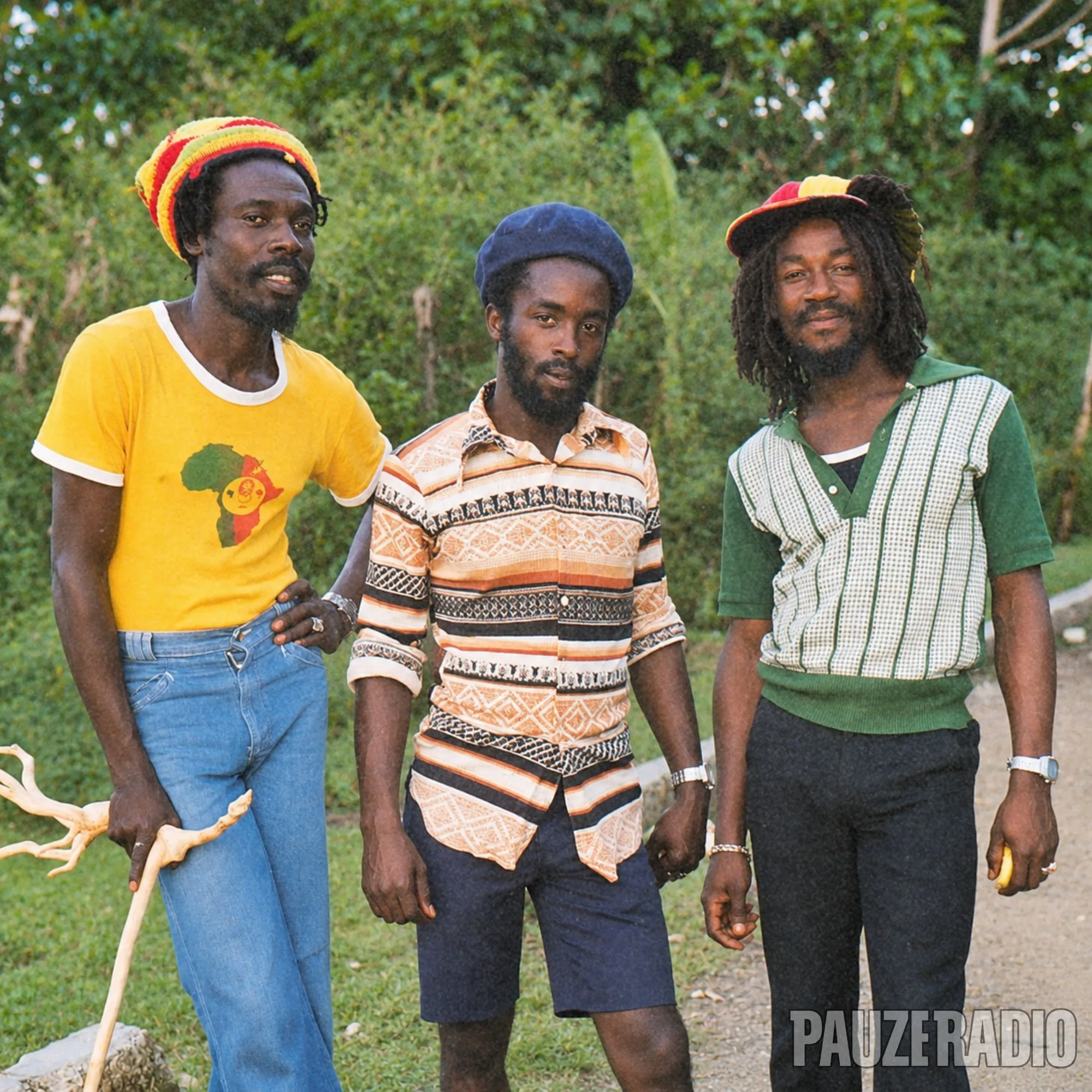
Culture emerged in Jamaica in 1976 as one of the defining vocal groups of Roots Reggae. Led by singer and songwriter Joseph Hill, alongside harmony singers Albert Walker and Kenneth Dayes, the trio became known for music addressing Rastafarian faith, social injustice, African identity and the struggles facing ordinary people.
Hill's unmistakable voice and the group's close harmonies gave those messages a sound of their own, establishing Culture as an important presence in Jamaican music and eventually earning them an international following.
Musical Beginnings
Joseph Hill was born on 22 January 1949 in Linstead, St Catherine, Jamaica. His musical journey began through local sound systems before he joined the Selected Few, a group that later developed into the Soul Defenders.
Working as a percussionist and vocalist, Hill became involved with Clement 'Coxsone' Dodd's Studio One in Kingston during the early 1970s. The Soul Defenders provided backing for several recordings, including material by Freddie McKay, giving Hill valuable experience of the Jamaican recording industry.
His early solo recordings included Behold the Land, released in 1972. Although these initial efforts did not establish him as a major solo artist, they helped develop the vocal approach and musical understanding that would become central to Culture's sound.
The Formation of Culture
In 1976, Hill joined forces with his cousin Albert Walker and Roy 'Kenneth' Dayes to form a vocal trio initially called the African Disciples. After connecting with producer Joe Gibbs and engineer Errol Thompson, collectively known as the Mighty Two, they adopted the name Culture.
Their first recordings included This Time, followed by songs such as See Them a Come, which began attracting attention in Jamaica.
The combination of Hill's distinctive lead vocals, Walker and Dayes' harmonies and the Mighty Two's production established a recognisable sound. Unlike many recordings built primarily around romantic themes, Culture's music placed Rastafarian beliefs, historical awareness and the everyday experiences of Jamaican people at the forefront.
Two Sevens Clash
Their breakthrough came with Two Sevens Clash, the title track of their debut album released in 1977. The song drew upon apocalyptic beliefs surrounding 7 July 1977, a date that caused genuine unease in Jamaica.
The recording arrived during a period of political violence and social uncertainty. Its prophetic message resonated with listeners, and reports from the time described people staying indoors as the anticipated date approached.
The album also featured See Them a Come, I'm Not Ashamed, Natty Dread Taking Over and Get Ready to Ride the Lion to Zion. Together, the recordings addressed spiritual conviction, oppression, resistance and the hope of a better future.
Two Sevens Clash established Culture internationally, particularly in Britain, where their music connected with reggae audiences and the emerging punk movement. British broadcaster John Peel championed their recordings, helping introduce the group to listeners beyond the established reggae scene.
The album has subsequently become recognised as one of the landmark releases of the Roots Reggae era.
Recordings and Live
Following disagreements over royalties, Culture left Joe Gibbs and eventually began recording for Sonia Pottinger's High Note label. The albums Harder Than the Rest (1978), Cumbolo (1979) and International Herb (1979) expanded their catalogue, combining strong melodies with spiritual messages and social commentary.
Songs such as Natty Never Get Weary and This Train further demonstrated their ability to communicate serious subjects through memorable arrangements. Much of this material reached British audiences through Virgin Records' Front Line reggae imprint.
Culture also developed a formidable reputation for live performances. In April 1978, they appeared at the One Love Peace Concert in Kingston alongside Bob Marley and other Jamaican musicians, during a period of serious political tension.
International touring became an important part of their career. In Britain, they performed with the Revolutionaries, whose musicians included the rhythm section of Sly Dunbar and Robbie Shakespeare. Their performances helped establish Culture as more than a successful recording group, bringing Hill's powerful delivery and the trio's harmonies directly to audiences.
Later Years and Development
The original trio separated in the early 1980s, although Hill continued recording and performing under the Culture name. His album Lion Rock appeared in 1982, before Walker and Dayes reunited with him in 1986.
The reunion produced Culture in Culture and Culture at Work, beginning another productive period. Albums including Nuff Crisis (1988), Good Things (1989) and Wings of a Dove (1992) reflected the group's continuing musical development.
Further line-up changes followed during the 1990s, with Kenneth Dayes departing and other singers joining. Despite these changes, Hill remained Culture's principal songwriter and frontman. Albums including One Stone (1996) and Trust Me (1997) demonstrated his continued commitment to Roots Reggae while working with contemporary musicians and production approaches.
Culture continued releasing music into the new millennium. Payday was followed in 2000 by Scientist Dubs Culture into a Parallel Universe, a Dub reinterpretation of the group's recordings mixed by Scientist.
Later releases included Humble African and World Peace, with Hill continuing to address justice, responsibility and human dignity through his songwriting.
The Continuation of Culture
On 19 August 2006, Joseph Hill died in Berlin while Culture were on a European tour. He was 57 years old.
His son Kenyatta Hill, who had been travelling with the group as a sound engineer, stepped forward to complete the remaining performances alongside Albert Walker and Telford Nelson.
What began as an unexpected responsibility developed into a new chapter for Culture. Kenyatta continued as lead vocalist while also establishing his own recording career.
His 2007 album Pass the Torch combined original compositions with previously unreleased material written by his father. Later projects, including Live On: Tribute to Culture in 2011, helped carry the group's music forward while allowing Kenyatta to develop his own voice.
Legacy and Influence
Culture's contribution to Roots Reggae extends well beyond Two Sevens Clash. Their recordings brought Rastafarian beliefs, African consciousness and social commentary to audiences across the world, supported by a catalogue spanning several decades.
Joseph Hill's songwriting and unmistakable delivery remained central to that identity, while the contributions of Albert Walker, Kenneth Dayes and subsequent members helped shape the group's musical history.
Culture's music has remained a regular part of Roots Reggae programming worldwide, including Pauzeradio's Unique Reggae Mix. Episode #248, Reggae From The Roots, opened with six Culture recordings before featuring Joseph Hill's collaboration with Big Youth, Raw Truth.
Through their recordings, live performances and continuation under Kenyatta Hill, Culture's music remains an enduring part of Jamaican musical heritage and the wider history of Roots Reggae.