
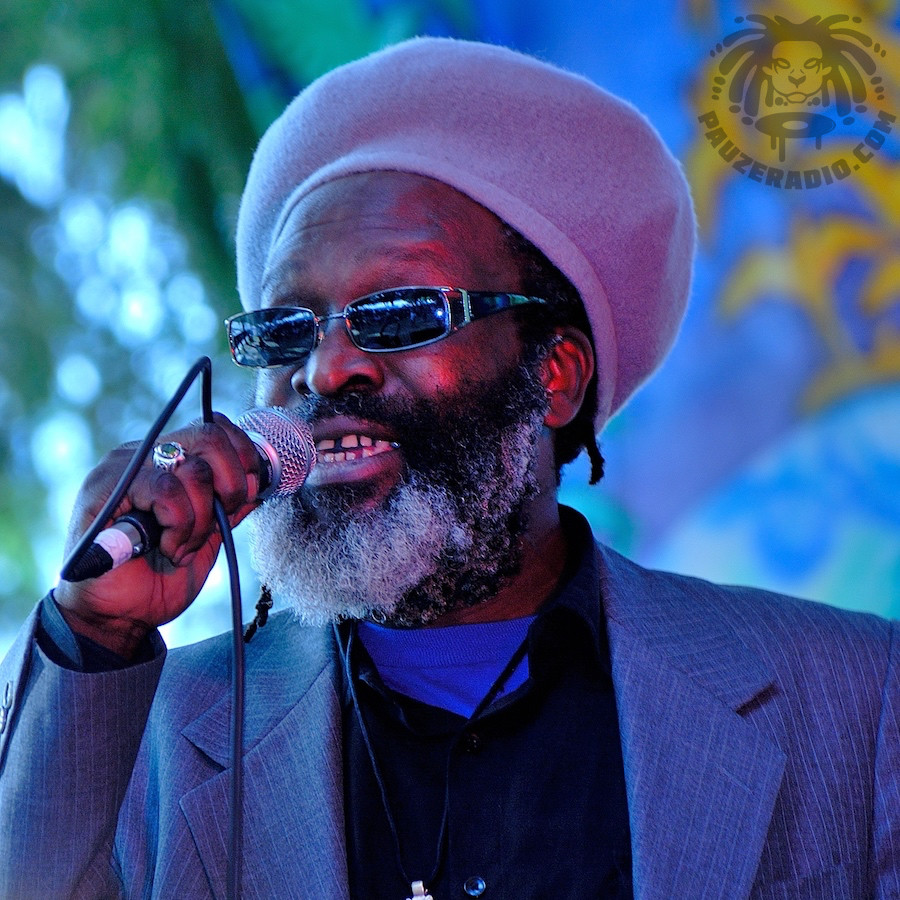


Earl Zero
Earl Zero Biography.
Early Life
Earl Anthony Johnson, better known by his stage name Earl Zero, was born on October 19, 1953, the eldest of ten children, in the Greenwich Farm area of Kingston, Jamaica. His father was a fisherman and his mother a fishmonger.
Growing up in the heart of the Jamaican music scene, Zero was immersed in the sounds of ska, rocksteady, and reggae from a young age. Inspired by the likes of Bob Marley, Dennis Brown, and Burning Spear, he developed a passion for music and began honing his skills as a vocalist and songwriter.
Rise to Prominence
Earl Zero's journey into the music industry began in the early 1970s when he started recording for various producers in Kingston as a member of the group Rush-It with childhood friend Earl "Chinna" Smith. His distinctive vocal style, characterised by its soulful delivery and conscious lyrics, quickly caught the attention of audiences and industry insiders alike.
Zero had his first success with "Righteous Works" (1975), then further success with "Please Officer," which became an instant hit and established him as a rising star in the reggae scene, then "City Of The Weak Heart," all stabilising him as a solid talent.
Musical Career
Throughout the 1970s and 1980s, Earl Zero continued to release a string of successful singles and albums, collaborating with some of Jamaica's most renowned producers, including Bunny Lee. His music often delved into themes of social justice, spirituality, and personal introspection, earning him a reputation as a thoughtful and introspective artist.
One of Zero's most iconic tracks, "None Shall Escape the Judgment," released in 1975, remains a cornerstone of roots reggae music and has been covered by numerous artists over the years. Its powerful message of accountability and righteousness resonated with audiences worldwide, cementing Zero's status as a leading voice in the roots reggae movement.
International Recognition
While Earl Zero initially gained fame within Jamaica's vibrant music scene, his influence soon spread beyond the island's shores. In the 1980s, he embarked on international tours, performing to audiences in Europe, North America, and beyond. His soul-stirring live performances and thought-provoking lyrics earned him a dedicated following and helped to popularise reggae music on a global scale.
Challenges and Resilience
Despite his talent and success, Earl Zero faced numerous challenges throughout his career, including struggles and periods of personal adversity. However, his resilience and determination to overcome obstacles never wavered, and he continued to create music that inspired and uplifted listeners around the world.
Legacy and Influence
Earl Zero's contributions to reggae music are immeasurable, with his soulful vocals and conscious lyrics leaving an indelible mark on the genre. His influence can be heard in the work of countless contemporary artists who continue to draw inspiration from his pioneering sound and socially conscious message.
Later Years and Current Endeavours
As of 2024, Earl Zero remains active in the music industry, continuing to perform and record new material. Despite the passage of time, his passion for music and commitment to spreading positive vibrations have not diminished, and he continues to inspire audiences with his timeless sound and unwavering dedication to his craft.
His album "And God Said To Man," produced by Roberto Sanchez and released on the A-Lone label in 2010 has recently been repressed in 2023 due to popular demand, and the timeless works recorded remain to be an indelible favourite of roots lovers all over the world.
In conclusion, Earl Zero's remarkable journey from Kingston's Greenwich Farm to international acclaim is a testament to his talent, resilience, and enduring impact on the world of reggae music. As he continues to share his music with audiences around the globe, his legacy as a pioneering voice of roots reggae remains as powerful and relevant as ever.
Earl Zero Biography written by Gav Pauze (16th March 2024).