
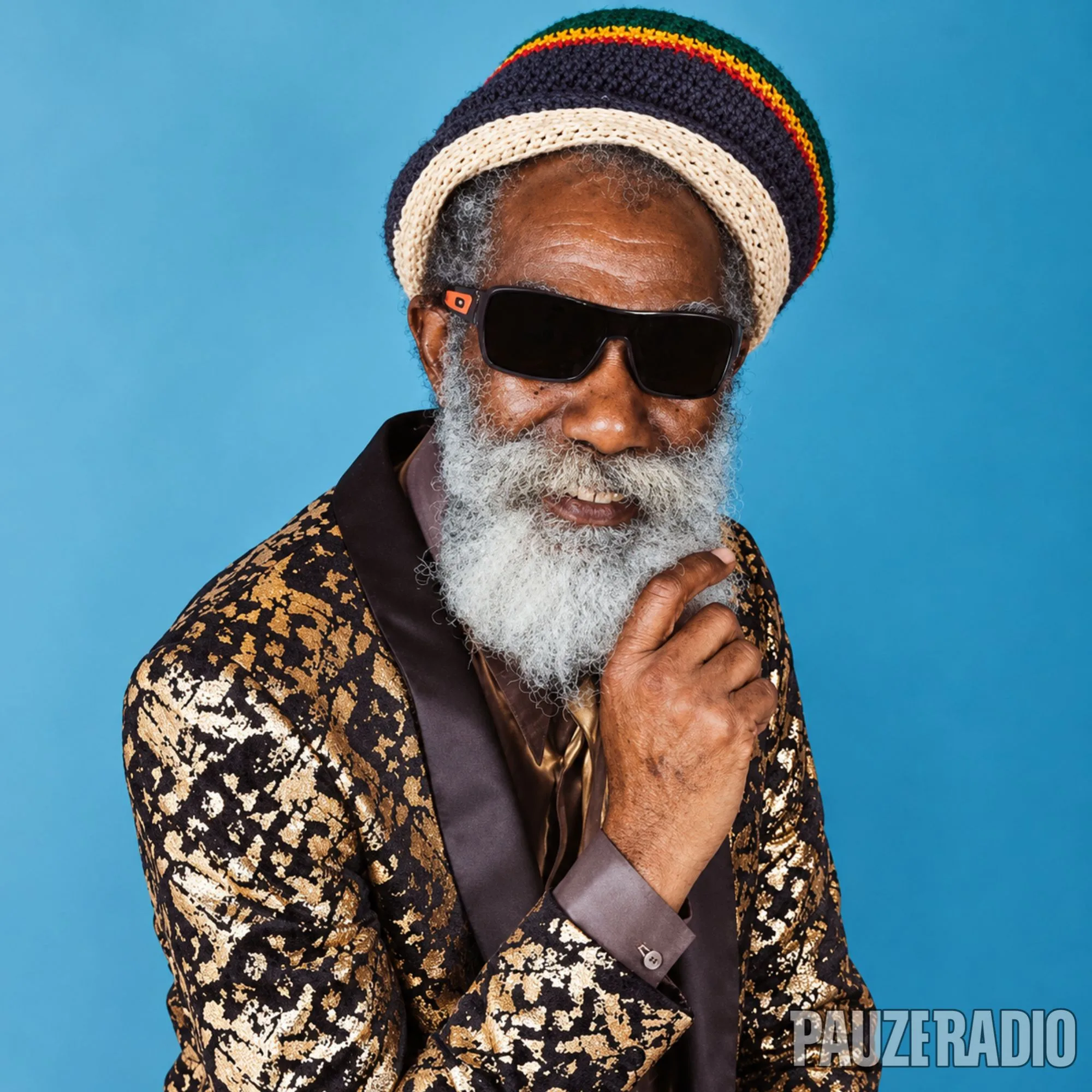
Don Carlos
Don Carlos, born Euvin Spencer on 29 June 1952 in Kingston, Jamaica, is a roots reggae singer and songwriter. A founding member of Black Uhuru, he also built an extensive solo catalogue, with recordings such as “Late Night Blues”, “Dice Cup” and “Just a Passing Glance” carrying his warm, melodic voice.
He was born on Bread Lane in west Kingston and moved to Waterhouse at about three years old. His father, a tailor, sang while working at night, and the young Don would join in. Singing became part of his everyday life long before he began visiting studios and making records.
Early Years
Delroy Wilson, Ken Boothe and the Clarendonians were among his early favourites. He also admired Dennis Brown, while American influences included Ray Charles, Ben E. King and the Temptations. Growing up around singers, musicians and sound systems gave him opportunities to hear how songs were written, rehearsed and recorded.
His first attempts at recording came before Black Uhuru. Jimmy London wrote material for him, including “Please Stop Your Lying”, which he recorded with Errol Dunkley. Other early work included “All My Life” for Bunny Lee and a version of the Drifters’ “This Magic Moment”.
Around 1972–73, he joined fellow Waterhouse singers Garth Dennis and Derrick “Duckie” Simpson in the original Uhuru line-up. Their early recordings included “Folk Song”, but this first partnership was short-lived. Don returned to solo work, while Dennis later joined the Wailing Souls.
Solo Recordings
His album Suffering was released through Negus Roots in 1981 and helped establish his solo reputation. Around this period, he developed a close working partnership with Gold, also known as Goldie, who contributed harmony vocals and songwriting. Their records and live performances became an important part of his early solo career.
Harvest Time followed in 1982, alongside Day to Day Living, produced by Henry “Junjo” Lawes for Greensleeves. Backed by the Roots Radics and mixed by Scientist, the latter included “Hog and Goat”, “Dice Cup”, “Hey Mr. Babylon” and “I’m Not Crazy”, bringing social observation together with songs made for sound-system play.
He also recorded with producers including Bunny Lee, Roy Cousins and the Hookim brothers at Channel One. Albums such as Pass Me the Lazer Beam, Never Run Away and Just a Passing Glance expanded his catalogue through the 1980s. His singing could carry romantic material as readily as songs about hardship, faith and injustice.
Black Uhuru Reunion
The original singers came back together for Now in 1990, with Don taking the lead alongside Dennis and Simpson. Iron Storm followed in 1991, then Mystical Truth in 1993 and Strongg in 1994. The reunion brought his voice to another international audience while reconnecting him with the group’s original harmonies.
Each of the four albums received a Grammy nomination in the reggae category, recognising a sustained run of new work from the reunited singers. After this period with Black Uhuru, he returned to his solo career and continued building an audience through regular touring.
California Years
His live work became closely connected with California. The Reggae Angels backed him for several years, with musicians from that partnership forming the basis of Dub Vision, his longstanding backing band. He also developed a continuing relationship with Slightly Stoopid, appearing with them as a guest singer.
In 2002, he joined Groundation and the Congos on Hebron Gate. The collaboration placed his voice alongside a younger American band drawing on Jamaican roots reggae. Through further recordings and shared stages, he became a familiar presence within California’s reggae scene.
By 2010, he was promoting Changes, which included “Rude Boy”, “Favorite Cup” and a version of Dennis Brown’s “Things in Life”. His earlier work also remained in circulation. Pauzeradio’s Authentic Reggae Roots, show #242, featured “I Am in Love” followed by “I’m Not Crazy” near the start of its first part.
Later Work
Rebelution featured him on “Roots Reggae Music” for their 2014 album Count Me In. “Righteous Chant”, recorded with Christos DC, followed in 2015. The latter grew from an instrumental Christos had played for him while touring in 1997, giving a longstanding musical connection a later studio release.
Touring continued alongside those recordings. He performed with Dub Vision at California’s Reggae on the River in 2015 and returned to international festival stages in subsequent years. His 2023 appearances included Rototom Sunsplash in Spain, where he was programmed on the main stage.
His later singles have also featured on Pauzeradio. Gav Pauze included “Oh Jah”, voiced on the Communion riddim, in Reggae & Dub Fire Mix 2024, show #433. The recording appeared alongside contemporary roots and dub releases, keeping his work within the same listening space as younger artists.
In August 2026, Hard Doe Entertainment released The Best of Don Carlos, Vol. 1, a nineteen-track retrospective he co-produced with Christopher Chambers. His live work also continued that year, including Reggae on the Mountain in California. The collection revisited earlier recordings while his performances brought those songs to audiences in person.
Across his solo records, Black Uhuru albums and later collaborations, Don Carlos has kept melody central to how he delivers a message. His songs speak about love, faith and the pressures facing ordinary people, with a directness that suits both a harmony group and a sound system. That combination continues to connect his Waterhouse beginnings with the listeners discovering him today.